Myndworx

Categories
Health

Understanding Anxiety and How Counseling Can Change Your Life

Anxiety is something many of us experience at different points in life. Feeling nervous before a big presentation or a major life change is normal. But when worry becomes overwhelming or constant, it may be a sign of an anxiety disorder. Recognizing the signs and symptoms, understanding how anxiety affects both your mind and body, and knowing how to get help can create a drastic transformation in your life.

Signs and Symptoms of Anxiety

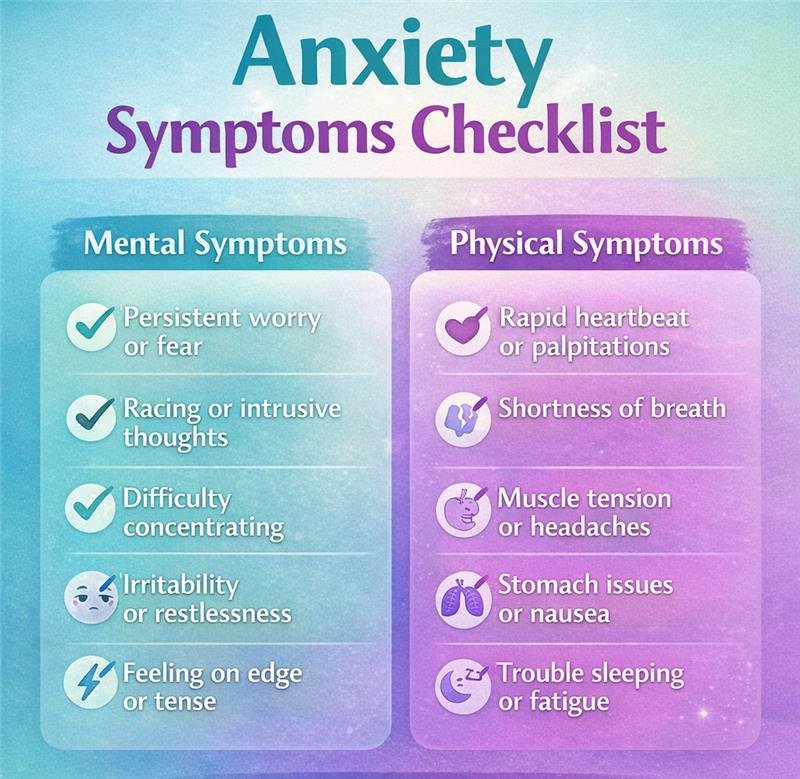
Anxiety often shows up in both mental and physical ways. Mentally, you may notice persistent worry that feels uncontrollable, racing thoughts, difficulty concentrating, irritability, or a constant sense of dread. Physically, anxiety can cause rapid heartbeat, shortness of breath, muscle tension, headaches, stomach problems, or trouble sleeping. These symptoms can vary from person to person, and the intensity may fluctuate depending on stress levels and life circumstances.

Causes of Anxiety

Anxiety does not have a single cause. It often results from a combination of genetic, biological, environmental, and psychological factors. Stressful life events, trauma, or significant changes in routine can trigger anxiety. Brain chemistry and family history also play a role, as some individuals may have a genetic predisposition to developing anxiety disorders. Additionally, lifestyle factors such as poor sleep, chronic stress, and unhealthy coping mechanisms can make anxiety worse over time.

The Impact of Anxiety

Living with anxiety can affect every area of your life. Mentally, it can make it hard to focus, make decisions, or feel confident. Physically, it can lead to chronic tension, fatigue, digestive issues, or other health concerns. Over time, untreated anxiety can strain relationships, affect work performance, and reduce overall quality of life.

How Working with a Counselor Can Change Your Life

Counseling provides a safe and supportive space to explore the causes of anxiety, learn coping strategies, and develop healthier thought patterns. A counselor can help you identify triggers, practice stress management techniques, and build tools to respond to anxious thoughts without letting them take over. The guidance of a trained professional can turn anxiety from a constant struggle into a manageable part of life. Many people find that working with a counselor not only reduces symptoms but also improves self-awareness, confidence, and overall wellbeing.

Questions and Answers About Anxiety

What are the first signs I should notice if I might have an anxiety disorder?
Persistent worry that interferes with daily life, frequent physical symptoms like tension or racing heart, and difficulty sleeping are common early signs. If these symptoms are affecting your ability to function or enjoy life, seeking help is recommended.

Can anxiety affect my physical health?
Yes. Anxiety can cause headaches, digestive issues, muscle tension, rapid heartbeat, and fatigue. Chronic anxiety can also increase the risk of other health problems if left untreated.

What causes anxiety to start or worsen?
Anxiety can be triggered by life stress, trauma, changes in routine, and underlying brain chemistry or genetics. Lifestyle factors like poor sleep or chronic stress can also worsen symptoms.

How can counseling help with anxiety?
Counseling gives you guidance and support to understand your anxiety, develop coping strategies, and reframe negative thought patterns. Working with a counselor can reduce symptoms, improve your overall wellbeing, and give you tools to handle stress more effectively.

Why choose Myndworx for anxiety support?
Myndworx provides personalized, confidential, and compassionate counseling services. Our experienced counselors help you explore the root causes of anxiety and provide practical strategies to manage it. With Myndworx, you are not alone in your journey, and professional support can help you regain control of your life.

Anxiety may feel overwhelming at times, but understanding its symptoms, recognizing the mental and physical effects, and seeking professional guidance can make a lasting difference. Counseling is not just about managing anxiety; it is about creating a life where you can thrive despite it. If you are ready to take the first step, Myndworx is here to help guide you on your path to calm, confidence, and wellbeing.

Anxiety symptom checklist:

  • Persistent worry or fear
  • Racing or intrusive thoughts
  • Difficulty concentrating
  • Irritability or restlessness
  • Feeling on edge or tense
  • Rapid heartbeat or palpitations
  • Shortness of breath
  • Muscle tension or headaches
  • Loss of appetite
  • Stomach issues or nausea
  • Trouble sleeping or fatigue
Categories
Health

Your Privacy Matters: Why Confidential Counseling at Myndworx is the Right Choice for High-Security, Sensitive, and Private Lives

When life gets heavy, whether due to chronic stress, divorce, trauma, or work pressures, asking for help can be one of the bravest decisions you make. But for many professionals, especially military personnel, government employees with security clearances, and others in sensitive positions, traditional counseling can feel like navigating a minefield of paperwork, insurance claims, and potentially recorded diagnoses.

At Myndworx, we understand that your privacy isn’t just a nice-to-have, it’s essential. We’re committed to providing world-class mental health support in a way that protects your confidentiality every step of the way.

Why Privacy and Confidentiality Are Crucial

Counseling records, insurance claims, and clinical diagnoses can create documentation that shows up on your insurance history — something many people actively want to avoid. For individuals in high-security roles or those guarding sensitive career trajectories, even legitimate treatment shouldn’t have to leave a paper trail.

  • Security clearances often involve reviews of personal and medical history. Many clients worry that mental health documentation could impact background checks or career advancement.
  • Military personnel may be concerned about how counseling is recorded or perceived.
  • Those going through divorce or sensitive life transitions often want help without the fear that diagnoses will be visible on insurance claims.
  • Professionals in high visibility or sensitive jobs may face stigma or misunderstandings around mental health treatment.
  • At Myndworx, we emphasize choice — including the choice to cash-pay for services so there’s no insurance billing, no documentation of diagnosis, and no permanent entries in your insurance history.

Cash-Pay Counseling: A Smart, Private Option

One of the simplest ways to keep your mental health care fully confidential is to pay with cash or private payment methods instead of using insurance. Choosing cash pay:

  • Avoids claims being submitted to insurance companies
  • Eliminates recorded diagnoses on your insurance history
  • Keeps all session details private between you and your licensed provider

💡 At Myndworx, we offer 10-session counseling packages for $1,800, which comes out to a “buy 9, get 1 free” value. For motivated clients, meaningful progress can often happen within just 10 sessions, making this both a cost-effective and privacy-preserving choice.

What We Treat — With Discretion and Respect

Myndworx providers are trained and experienced in supporting people through a wide range of issues, including:

  • Anxiety, depression, and stress


  • Life transitions (including divorce and separation)
  • Relationship issues and communication struggles
  • PTSD, trauma, and military/veterans’ issues
  • Work-related burnout and career pressure
  • ADHD and focus challenges

Our clinicians know how to create a secure, confidential environment where you can explore thoughts and feelings without fear that your records will affect your personal or professional life.

How We Protect Your Privacy

Our telehealth counseling services use HIPAA-compliant platforms to ensure your sessions remain secure and private. You can meet with your therapist from the comfort of your home — eliminating waiting rooms, clinics, or public encounters.

Questions clients frequently ask about privacy include:

Q: Will my sessions be documented with a mental health diagnosis?

A: You have full control. Choosing cash-pay services lets you skip insurance billing altogether and therefore, there’s no requirement to record diagnoses that appear on insurance statements or claims.

Q: Can counseling records impact my security clearance?

A: If counseling is billed through insurance, diagnoses can appear on insurance histories. When you choose private pay, Myndworx providers keep your care confidential within the limits of clinical ethics and law — without returning diagnostic records to insurance.

Q: Is telehealth as private as in-person counseling?

A: Yes. Myndworx uses secure, encrypted systems designed to protect your data just as rigorously as an in-office visit without any physical waiting room or shared space that could compromise privacy.

Q: What issues do Myndworx therapists specialize in?

A: From stress and relationship struggles to trauma, PTSD, life changes, and workplace challenges, our team supports a broad range of needs especially for military, first responders, and high-stress professionals.

Real Support. Real Privacy. Real Results.

Choosing to seek counseling is powerful. Choosing counseling that protects your privacy? That’s empowerment.

Whether you’re navigating a divorce, managing anxiety in a sensitive job, or just trying to find balance while protecting your future career, Myndworx is here to help you through it privately, securely, and with real results.

👉 Ready to take the next step? Visit www.myndworx.net

to learn more and book your confidential counseling package today.

Categories
Health

Setting Goals That Stick: How to Turn New Year Intentions into Real Change

The start of a new year often brings a renewed sense of hope. We promise ourselves that this will be the year we follow through the year we build better habits, break old patterns, and finally do the things we’ve been putting off.

And yet, by February, many people find themselves feeling frustrated, discouraged, or stuck in the same cycles.

At Myndworx, we want you to know something important right away: struggling with consistency, motivation, or follow‑through is not a personal failure. It’s human and it’s something that can be understood, normalized, and changed with the right support.

Why New Year Goals So Often Lead to Inaction

Inaction rarely comes from laziness or lack of willpower. More often, it comes from:

  • Overwhelm Goals that are too big, vague, or unrealistic activate avoidance.
  • Perfectionism If it can’t be done “right,” the brain chooses not to start at all.
  • Emotional fatigue Chronic stress, trauma, burnout, or depression drain the energy needed for change.
  • Unclear identity alignment Goals that don’t match your values or current life reality don’t stick.
  • Fear of failure or success Both can quietly block forward movement.

Understanding why inaction happens is the first step toward doing something different.

“Why Can’t I Be Consistent?”

This is one of the most common questions people ask and one of the most misunderstood.

Consistency isn’t about motivation. It’s about systems, habits, and nervous system regulation.

When your nervous system is under constant stress, it prioritizes survival and efficiency not long‑term goals. This means:

  • Your brain seeks comfort over challenge
  • New habits feel threatening instead of exciting
  • Old patterns feel safer, even when they’re unhelpful

Consistency improves when goals are made smaller, safer, and more emotionally manageable. This is where counseling can help identify what’s really getting in the way.

“Why Don’t I Follow Through on My Goals?”

Following through is less about discipline and more about design.

Common reasons follow‑through breaks down include:

  • Goals that rely on willpower instead of routine
  • Too many changes at once
  • Lack of accountability or feedback
  • Unaddressed emotional barriers

At Myndworx, we often help clients reframe goals into process‑based intentions, rather than outcome‑based pressure.

Example:

  • Outcome goal: “I need to work out five times a week.”
  • Process goal: “I will put on my shoes and step outside after work.”

Small, repeatable actions build momentum and momentum builds confidence.

Try some techniques that work to create change:

Habit Building

Habits form when behaviors are:

  • Simple, Repeated, Paired with existing routines, Emotionally rewarding

Habit Extinction

Breaking habits requires:

  • Reducing triggers (not just resisting urges), Replacing behaviors rather than removing them, Compassion instead of self‑criticism

Shame strengthens habits. Awareness weakens them.

Habit Stacking

One of the most effective strategies is habit stacking, attaching a new habit to an existing one.

Examples: After brushing your teeth → 2 minutes of deep breathing,  After making coffee → reviewing your top priority for the day, After shutting down work → a brief walk or grounding exercise. This lowers resistance and increases follow‑through.

If you’ve struggled to meet goals in the past, it does not mean:

  • You’re broken
  • You lack discipline
  • You’re “bad at change”

It often means:

  • You were trying to change without support
  • You didn’t yet understand your patterns
  • Your nervous system needed care before productivity

Change is not a character trait. It’s a skill, and skills can be learned.

How Counseling Can Help You Reach Your Goals

At Myndworx, our licensed providers help clients:

  • Clarify values and realistic goals
  • Identify emotional and cognitive blocks to action
  • Build sustainable habits instead of short‑term motivation
  • Address anxiety, burnout, ADHD, trauma, or depression that interfere with follow‑through
  • Create accountability in a supportive, non‑judgmental space

Whether your goals involve mental health, relationships, career growth, or personal balance, counseling can help you move forward consistently and compassionately.

Start the Year Differently

You don’t need more pressure. You need understanding, strategy, and support.

If you’re ready to stop repeating the same cycles and start building change that lasts, Myndworx is here to help.

👉 Learn more or schedule confidential counseling at www.myndworx.net

This year doesn’t have to be about trying harder. It can be about working smarter with support.

Categories
Health

Confident vs. Cocky: Nurturing Self-Worth While Challenging Imposter Syndrome

It’s easy to get caught up in the nuances of self-perception, especially when feelings of inadequacy or self-doubt creep in. Imposter syndrome—the persistent belief that you’re “not enough” despite evidence of your competence—affects many of us, even those who appear successful on the outside. Understanding the difference between confidence and cockiness, and between self-worth and self-absorption, can be a crucial step in reclaiming your sense of value.

Confidence vs. Cockiness

Confidence is quiet, steady, and rooted in self-awareness. A confident person knows their abilities, acknowledges their limits, and is open to growth. Cockiness, on the other hand, often stems from insecurity. It’s loud, defensive, and overcompensates for feelings of inadequacy. Confidence invites collaboration; cockiness can alienate others.

Self-Worth vs. Self-Absorption

Self-worth is an internal sense of value—it’s how you honor yourself regardless of external achievements or recognition. Self-absorption, in contrast, is when one’s focus on self becomes disconnected from reality and empathy. True self-worth is humble and resilient, whereas self-absorption can be isolating and superficial.

Understanding these distinctions is especially important when confronting imposter syndrome. Those struggling with imposter feelings may mistake cockiness or overachievement for confidence or self-worth. They may rely on external validation to “prove” their value instead of cultivating a grounded, internal sense of worth.

3 Tips to Improve Self-Worth in the Next 30 Days

  1. Daily Acknowledgment of Strengths
    • Each morning or evening, write down three things you did well that day, no matter how small.
    • Over time, this helps retrain your mind to recognize competence rather than doubt.
  2. Set Tiny, Achievable Goals
    • Break larger tasks into small, actionable steps and celebrate completing each one.
    • Achieving these small milestones reinforces your sense of capability and boosts confidence.
  3. Practice Self-Compassion
    • When you notice self-critical thoughts, pause and reframe them as if speaking to a friend.
    • For example, replace “I’m not good enough” with “I’m learning, and my efforts matter.”

Improving self-worth is not about becoming perfect or never doubting yourself—it’s about recognizing your intrinsic value and cultivating a mindset that encourages growth, empathy, and resilience. By distinguishing confidence from cockiness and self-worth from self-absorption, you take an essential step toward challenging imposter syndrome and embracing a more empowered, authentic you.

If you’re ready to take the next step toward building lasting self-worth and addressing imposter syndrome, schedule an appointment with a licensed mental health professional at www.myndworx.net today. Our team is here to support you in cultivating confidence, self-awareness, and resilience.

Categories
Health

Maintaining Connections with Friends and Family Who Have Opposite Political Views: A Mental Health Guide

Navigating relationships with friends and family members who have opposite political views can be one of the most challenging aspects of election season. While political discussions can lead to growth and deeper understanding, they can also create tension and division, especially when opinions are deeply entrenched. However, maintaining healthy, supportive relationships during these times is possible—and important for our emotional well-being.

Here’s how to preserve your mental health while staying connected to loved ones with differing political beliefs.

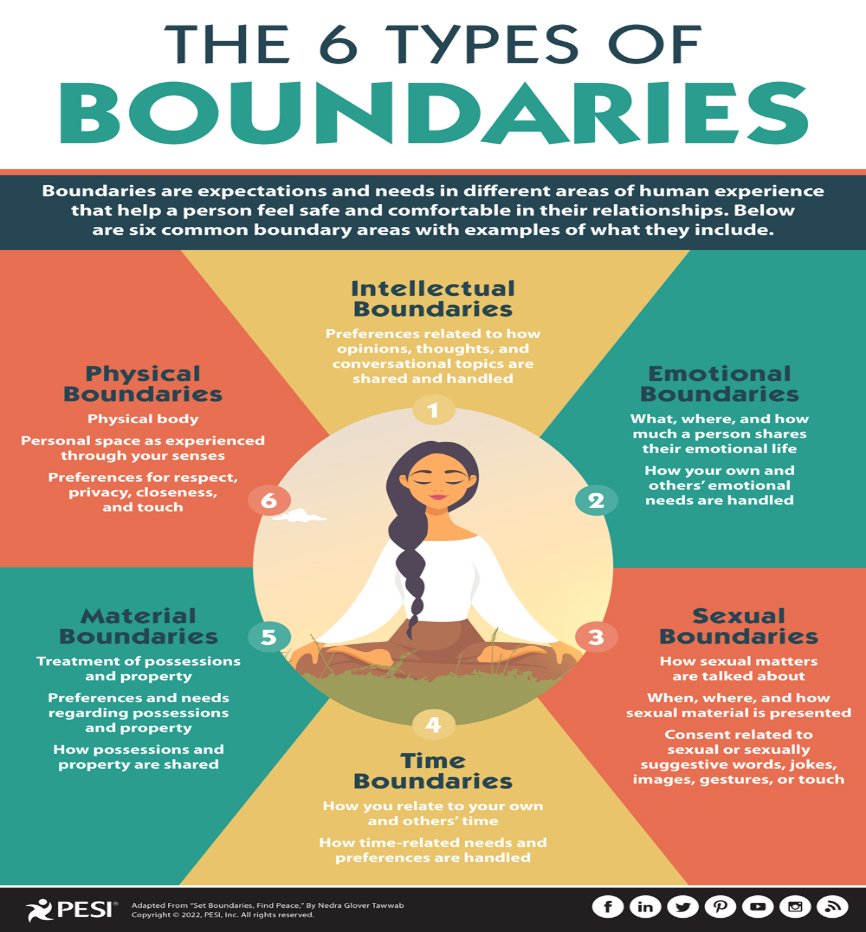
Set Clear Boundaries

Establishing boundaries is crucial for preserving relationships and protecting your mental health. While open dialogue is important, not every conversation needs to be a political debate, and not every issue has to be discussed. Here’s how to set effective boundaries:

  • Communicate your limits: If certain topics feel too heated or emotionally draining, let your loved ones know. You might say something like, “I value our relationship, but I’d prefer not to talk about politics right now.”
  • Know when to disengage: It’s okay to step away from conversations that feel toxic or unproductive. Politely excusing yourself from a heated discussion can prevent escalating conflicts and preserve your peace.
  • Choose safe topics: Find common ground in subjects that bring you together—whether it’s shared hobbies, family memories, or mutual interests. Redirecting conversations to these areas can strengthen bonds without triggering political debates.

Practice Empathy and Active Listening

In politically charged environments, it’s easy to fall into a pattern of defending your own beliefs while dismissing others. However, practicing empathy and truly listening to someone else’s perspective can help de-escalate tension and foster understanding.

  • Seek to understand, not to win: Enter conversations with the goal of understanding the other person’s viewpoint, rather than changing their mind. Try to listen with curiosity, asking yourself, “What experiences might have led them to this belief?”
  • Validate emotions, even if you disagree: Acknowledge that your loved ones’ feelings are valid, even if you don’t share their perspective. Saying something like, “I see this issue really matters to you,” can help de-escalate conflict and build trust.
  • Ask open-ended questions: Rather than debating, try asking questions like, “What concerns you the most about this issue?” or “How did you come to feel this way?” These types of questions invite deeper conversation without the pressure of confrontation.

Agree to Disagree

It’s important to recognize that not every discussion will lead to a consensus, and that’s okay. The goal should be to preserve the relationship, not to win an argument.

  • Respect differences: Accept that your loved ones are entitled to their beliefs, just as you are to yours. Focus on maintaining mutual respect, even when you disagree.
  • Find common ground: Often, beneath political differences are shared values. Maybe you and your family member both care deeply about fairness, justice, or protecting the environment, even if you support different policies. Highlighting these shared values can remind you that you have more in common than it may seem.
  • Use humor to lighten the mood: When tensions rise, humor can be a great way to diffuse the situation. A lighthearted comment or an inside joke can remind both of you that your relationship is built on more than just politics.

Take Care of Your Own Mental Health

Dealing with political disagreements can take an emotional toll, so it’s essential to prioritize your mental health during these times. Engage in self-care practices that help you recharge and remain emotionally balanced.

  • Set boundaries with media: If political discussions on social media or news outlets are contributing to your stress, limit your exposure. Taking breaks from politically charged content can help you maintain a healthier mindset.
  • Engage in calming activities: Whether it’s yoga, meditation, reading, or taking a walk in nature, find activities that help you decompress after difficult conversations.
  • Practice emotional regulation: If a conversation with a loved one leaves you feeling angry or upset, take time to process your emotions before responding. Techniques like deep breathing, mindfulness, or journaling can help you cool down and approach the situation more calmly.

Recognize When to Take a Break

Sometimes, despite our best efforts, political discussions can become too overwhelming or damaging to our mental health. Recognizing when to take a break—whether from the conversation or the relationship—can be an important act of self-care.

  • Pause, don’t break: If a particular relationship is causing you significant stress, it’s okay to take a temporary step back. You can say something like, “I need some space to cool off, but I want to stay connected. Let’s take a break from this topic for a while.”
  • Reconnect over non-political topics: Sometimes it’s best to agree that political discussions are off-limits for a time. Focusing on shared activities—like watching a favorite show, cooking together, or spending time outdoors—can remind you of the positive aspects of your relationship.
  • Know when to walk away: In rare cases, certain relationships may become too toxic to maintain. If someone consistently disrespects your boundaries or engages in harmful behavior, it may be necessary to reevaluate the relationship for your own mental well-being.

Practice Self-Compassion

Political disagreements with loved ones can be emotionally draining, leaving you feeling frustrated, hurt, or even guilty. During these moments, it’s important to be kind to yourself and recognize that these tensions are common in today’s political climate.

  • Acknowledge your emotions: It’s okay to feel upset after a disagreement. Rather than suppressing your feelings, allow yourself to process them and recognize that you’re doing your best to maintain balance in a challenging situation.
  • Be gentle with yourself: Remind yourself that you don’t have to have all the answers or navigate every political conversation perfectly. Accept that maintaining relationships during politically divisive times can be difficult, and give yourself credit for making the effort.
  • Seek support: If managing these tensions is becoming overwhelming, don’t hesitate to lean on other friends or a therapist for support. Sometimes talking through your feelings with a neutral party can provide relief and clarity.
  1. Focus on the Bigger Picture

Lastly, remember that relationships are built on much more than political beliefs. While politics may seem all-encompassing during election season, your connection with loved ones is shaped by shared experiences, history, and mutual care.

  • Prioritize the relationship: Ask yourself what matters most in your relationships with friends and family. If maintaining a positive connection is more important than discussing political differences, make that the priority.
  • Invest in shared experiences: Strengthen your relationships by creating new memories and engaging in activities that bring you closer. Whether it’s celebrating holidays, traveling together, or simply spending quality time, these moments can reinforce the bonds that transcend political disagreements.

Conclusion

Maintaining relationships with friends and family who have opposite political views can be challenging, but it’s also an opportunity for growth, empathy, and deeper connection. By setting boundaries, practicing empathy, and focusing on what truly matters in your relationships, you can protect your mental health while preserving meaningful connections.

Political seasons come and go, but the bonds we share with loved ones endure. Prioritize respect, open-mindedness, and kindness to navigate these conversations with grace, and remember that your mental well-being is just as important as staying informed or engaged in political debates.


Categories
Health

Maintaining Emotional and Mental Wellness During Election Season

Election season in the United States can be an emotionally charged and stressful time. With news cycles dominated by political ads, debates, and social media discussions, it’s easy to feel overwhelmed, anxious, or even disheartened. Whether you’re deeply invested in the political process or trying to avoid the noise, it’s essential to prioritize your mental and emotional well-being during this period. Here are some strategies to help you stay grounded and maintain balance as the election cycle unfolds.

Set Boundaries with Media Consumption

The 24-hour news cycle can fuel anxiety and overwhelm. Constant exposure to political content can heighten feelings of stress, especially when the focus is often on conflict or sensationalism. Here are some ways to set healthier boundaries:

  • Limit news intake: Designate specific times during the day to catch up on election news, instead of constantly scrolling through newsfeeds or watching live coverage. Avoid consuming political content first thing in the morning or right before bed.
  • Be selective with sources: Rely on reputable news outlets rather than social media, where information may be misleading or polarizing.
  • Unfollow or mute triggering accounts: If certain social media accounts or online discussions make you feel more anxious or angry, don’t hesitate to mute them temporarily.

Recognize and Manage Emotional Triggers

Election-related stress can bring up strong emotions—frustration, anger, fear, or even hopelessness. While it’s important to stay informed, it’s equally important to recognize when your emotional reactions are taking a toll on your mental health.

  • Notice physical signs of stress: Pay attention to when your heart rate increases, you feel tension in your body, or you’re becoming more irritable or anxious.
  • Practice mindfulness: When you feel triggered, take a step back. Deep breathing, grounding exercises, or simply taking a break from the conversation can help you manage intense emotions in the moment.
  • Acknowledge your feelings: It’s okay to feel upset, angry, or disillusioned. Instead of suppressing these emotions, try expressing them in a healthy way—whether through journaling, talking with a friend, or engaging in physical activity.

Engage in Meaningful Conversations, Not Arguments

Political conversations can quickly escalate into heated arguments, especially on social media. Engaging in discussions can be an important part of civic engagement, but it’s essential to differentiate between a healthy exchange of ideas and toxic debates.

  • Choose your battles: It’s okay to disengage from conversations that feel unproductive or harmful to your well-being.
  • Seek common ground: In discussions, aim to find shared values or understanding, even if your perspectives differ. This can help foster a sense of connection rather than division.
  • Respectfully disagree: Remember that it’s possible to disagree without being disagreeable. If you feel the conversation turning toxic, politely excuse yourself or change the subject.

Create Space for Self-Care

Self-care is crucial during stressful periods, and election season is no exception. Prioritize activities that help you relax and recharge mentally and emotionally.

  • Physical exercise: Exercise is a powerful stress reliever. Whether it’s going for a walk, practicing yoga, or engaging in a favorite sport, moving your body can help release pent-up energy and improve your mood.
  • Creative outlets: Art, music, writing, or any form of creativity can serve as an emotional release. Use these outlets to express how you’re feeling or to escape the noise of the election season.
  • Quiet time: Practice meditation, mindfulness, or deep-breathing exercises to center yourself. Even a few minutes of stillness each day can help you reset mentally.

Stay Connected to Supportive Communities

Elections can bring feelings of isolation or division, especially if your views differ from those of family or friends. To maintain your emotional wellness, seek out supportive communities that share your values or provide a safe space to discuss your concerns.

  • Join groups or forums: Find like-minded individuals in support groups or online communities that foster respectful dialogue and encouragement.
  • Lean on close friends: Spend time with people who uplift you. Even when discussing politics, these conversations can be validating and reaffirming when you feel heard.
  • Volunteer or get involved: Sometimes, the best way to cope with stress is to take action. Consider volunteering for causes you believe in or getting involved in community initiatives. Channeling your energy into productive efforts can give you a sense of purpose and control

Be Open to Considering Alternative Perspectives

Engaging with different viewpoints can reduce polarization and provide a broader understanding of complex issues. While it’s natural to gravitate toward opinions that align with your own, opening yourself to new ideas can foster personal growth and emotional resilience.

  • Listen actively: When discussing political topics with others, try to listen without immediately forming a rebuttal. Understanding where someone else is coming from can lead to more meaningful and productive conversations.
  • Ask questions: Rather than challenging opposing views outright, ask questions to clarify the other person’s reasoning. This can help bridge the gap between differing perspectives and promote empathy.
  • Challenge your own biases: It’s easy to fall into echo chambers where your own views are constantly reinforced. Make a conscious effort to read or listen to perspectives you may not agree with to broaden your understanding of the issues.
  • Practice humility: No one has all the answers. Acknowledge that it’s possible to learn from others, even if you ultimately disagree with their stance.
  • Avoid demonizing the opposition: Remember that most people, regardless of their political views, want what they believe is best for the country. Avoid characterizing others as “the enemy” simply because they hold different opinions.

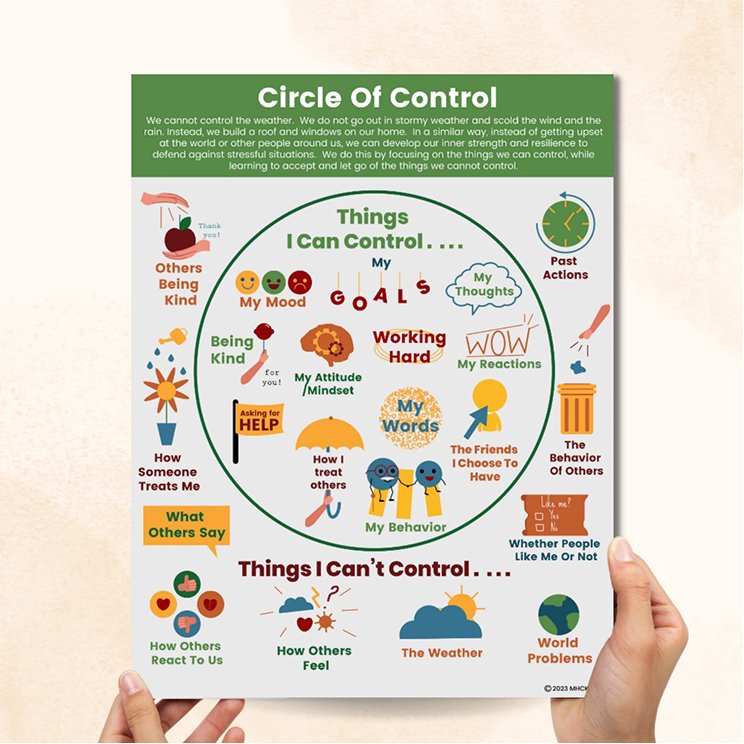
Accept What You Can and Cannot Control

One of the most significant sources of anxiety during election season is the feeling of helplessness. While the outcome of elections may be out of your hands, focusing on what you can control can help alleviate some of this stress.

  • Vote: One of the most empowering actions you can take is to participate in the democratic process by voting. Research candidates and policies, make informed decisions, and ensure your voice is heard.
  • Focus on your immediate environment: While national politics often dominate the headlines, local politics can have a direct impact on your community. Focusing on local issues can help you feel more connected and effective.
  • Let go of what you can’t change: After you’ve cast your vote, remember that some aspects of the election process are beyond your control. Focus on your personal well-being, relationships, and daily life, instead of getting lost in the “what-ifs.”

Seek Professional Help if Needed

If election-related stress is significantly affecting your mental health, don’t hesitate to seek professional help. A therapist or counselor can provide coping strategies, emotional support, and tools to manage anxiety or depression. Sometimes, talking with a mental health professional can offer a different perspective and provide relief during challenging times.

Conclusion

Election season is a unique period that can stir up intense emotions and test your mental resilience. By setting boundaries, managing your emotional triggers, being open to different perspectives, practicing self-care, and focusing on what you can control, you can navigate this time in a way that protects your mental health. Staying informed and engaged is important, but not at the expense of your well-being. Prioritize balance, compassion, and emotional wellness as you participate in the political process.

Remember, your mental health matters—during election season and beyond.

Categories
Health

The Emotional Impact of Losing a Pet in a Disaster

Coping with the Loss of a Pet in a Natural Disaster: Finding Healing After Heartbreak
Losing a pet can be one of the most heartbreaking experiences anyone can face, but when a pet is lost in the chaos of a natural disaster, the grief can be especially intense. Pets are family members, providing comfort, companionship, and unconditional love. Whether it’s a hurricane, wildfire, earthquake, or flood, losing a pet during a disaster can bring feelings of helplessness, guilt, and profound sadness. It’s important to understand that grieving the loss of a pet is a normal and valid process, and finding ways to cope with that grief is essential to healing.

This blog offers guidance on coping with the loss of a pet due to a natural disaster, acknowledging the emotional impact, and finding pathways toward healing.

The Emotional Impact of Losing a Pet in a Disaster

Natural disasters are traumatic on their own, but when a beloved pet is lost or dies during one, it can compound feelings of distress and heartbreak. Here are some of the common emotional reactions people experience after such a loss:

1. Shock and Disbelief: In the immediate aftermath of a disaster, it can be hard to process that your pet is gone. You may hold onto hope that they’re still out there or that they
survived.

2. Guilt: Many people feel overwhelming guilt, thinking, “If only I had done something differently.” It’s common to second-guess your decisions, even though disasters are unpredictable, and many factors are beyond anyone’s control.

3. Deep Grief and Sadness: Pets offer emotional support and love, and their loss can leave
a profound emptiness. You may find yourself deeply mourning their absence, and the pain may be similar to that of losing a human loved one.

4. Anger or Frustration: The devastation caused by natural disasters can lead to feelings of anger or frustration—toward the disaster itself, the circumstances, or the helplessness that
often accompanies these situations.

5. Loneliness: For many, pets are constant companions, and their loss can create a sense of isolation. The absence of your pet’s comforting presence can make the recovery process feel even more overwhelming.

Coping with the Loss of a Pet in a Natural Disaster
The grieving process is deeply personal, and there is no “right” way to cope with the loss of a pet. However, there are steps you can take to help you manage your emotions and begin the healing process.

1. Acknowledge and Honor Your Grief
It’s important to recognize that losing a pet is a significant loss, and your grief is valid. Some people may not understand the depth of your sadness, but your feelings are real and deserving of acknowledgment. Allow yourself to grieve fully. This might involve crying, talking about your pet, or writing about your feelings.

2. Create a Memorial for Your Pet

Finding ways to honor your pet’s memory can be a comforting way to navigate grief. You could:

Create a photo album or scrapbook: Collecting photos and memories of your pet can help you reflect on the joy they brought to your life.
Plant a tree or flower in their memory: A living memorial can serve as a reminder of the love and companionship your pet provided.
Write a letter: Some people find comfort in writing a letter to their pet, expressing their love, gratitude, and the pain of their loss.

3.
Lean on Your Support System
Reach out to friends, family, or pet support groups who understand the pain of losing a pet. Sometimes, just talking to someone who validates your feelings can be healing. If those around you don’t fully understand the depth of your grief, consider seeking out online or local support groups specifically for pet loss. You don’t have to go through this alone.

4. Take Time to Heal

Grief is not something you can rush. Healing from the loss of a pet takes time, and it’s important to allow yourself that time. You might have good days and bad days, and that’s okay. Honor your emotions as they come, and give yourself permission to grieve at your own pace.

5. Focus on Self-Care

During a time of grief, it’s easy to neglect your own well-being. Try to prioritize basic self-care:

• Eat nourishing foods:
Even if your appetite is low, maintaining nutrition can help you
physically handle the stress.
• Get rest: Grief can be exhausting, so ensure you’re getting enough sleep.
• Engage in gentle activities: Whether it’s taking a walk, listening to music, or spending time with loved ones, try to incorporate moments of peace into your day.

6. Seek Professional Support If Needed

The loss of a pet during a natural disaster can be deeply traumatic, and for some, the grief can be overwhelming. If you find that your sadness, guilt, or distress is interfering with your ability to function or affecting your mental health long-term, consider seeking support from a mental health professional or grief counselor. Pet loss counseling exists specifically for those grieving the loss of an animal companion, and it can provide a safe space to process your emotions.

7. Consider Adoption—When You’re Ready

While it may be too painful to consider immediately, many people find comfort and healing in adopting another pet when they feel emotionally ready. It’s important not to view a new pet as a “replacement” for the one you lost, but rather as an opportunity to provide love and care to another animal in need. When the time is right, adopting a new pet can be a step toward emotional recovery and renewed companionship.

Finding Hope After Loss
Losing a pet in a natural disaster is an incredibly painful experience, and the grief may feel overwhelming at times. However, with time, support, and self-compassion, it is possible to find healing. Remember that your pet’s love and companionship enriched your life, and while their loss is devastating, the bond you shared will always remain a part of you. You are not alone in your grief. Whether through support from loved ones, professional counseling, or personal reflection, healing is possible. Take one day at a time, honor your emotions, and when you’re ready, embrace the hope of new beginnings.

Final Thoughts
The loss of a pet in a natural disaster is a traumatic experience that brings deep emotional pain. As you navigate the grieving process, remember to honor your pet’s memory, seek support, and take the time you need to heal. Grief may be a long and difficult road, but with patience and care, you can find peace and cherish the memories of the love your pet brought into your life. If you or someone you love has been impacted by the devastating effects of Hurricane Helene in North Carolina, we encourage you to seek the support you need to heal. Natural disasters can leave lasting emotional and mental scars, but you don’t have to face this journey alone. At Myndworx, our compassionate counselors are ready to help you cope with the trauma, anxiety, and grief that may follow such a catastrophic event. Whether you’re struggling with sleepless nights, overwhelming stress, or the emotional toll of rebuilding your life, we’re here for you. Visit www.myndworx.net or call 571-206-1121 to connect with a professional counselor today. You don’t have to carry this burden by yourself—let us support your healing and recovery.

Categories
Health

How to Support Loved Ones After a Natural Disaster A Guide to Providing Emotional and Practical Help

How to Support Loved Ones After a Natural Disaster: A Guide to Providing Emotional and Practical Help
When a natural disaster strikes, the immediate aftermath can be overwhelming—not just for those directly impacted, but also for the loved ones who want to help. Watching someone you care about experience trauma, loss, or uncertainty is incredibly difficult. Knowing how to offer meaningful support is crucial to helping them recover emotionally and practically. Whether it’s a friend, family member, or colleague who’s been affected, here are ways to assist them in navigating the mental and emotional toll of a natural disaster

1. Listen Without Judgment or Pressure

One of the most important things you can do for someone recovering from a natural disaster is to listen. Survivors may want to talk about their experience or express a wide range of emotions—fear, anger, sadness, or confusion. It’s essential to:

  • Allow them to share at their own pace: Don’t push them to talk if they’re not ready. Sometimes, they may need time before they feel comfortable opening up.
  • Validate their feelings: Whether they’re feeling overwhelmed, frustrated, or relieved, let them know their emotions are normal. Saying things like “It’s okay to feel that way” can help them feel supported.
  • Avoid giving unsolicited advice: In the early stages of recovery, they might not be looking for solutions but rather a safe space to vent and process their emotions.

2. Offer Practical Support

Survivors of natural disasters often face immediate practical challenges—displacement, lack of resources, or logistical difficulties. Offering tangible help can reduce their stress and allow them to focus on emotional healing.

  • Help with daily tasks: Offer assistance with things like cleaning up, grocery shopping, or caring for children or pets. These small acts can make a big difference when someone is overwhelmed.
  • Provide housing or transportation: If your loved one has been displaced, temporary housing or transportation can be a major relief.
  • Assist with paperwork and recovery efforts: The aftermath of a disaster often involves filing insurance claims, applying for disaster relief, or managing medical bills. Offer to help them navigate these processes if they need support.

3. Be Patient with Their Healing Process

Healing after a natural disaster takes time, and everyone’s recovery timeline is different. Some people may seem to bounce back quickly, while others may struggle with long-term effects. It’s important to:

  • Avoid pushing them to “move on”: Recovery isn’t linear. While some days may feel better, others may be difficult. Understand that the emotional scars of a disaster may last far longer than the physical recovery.
  • Be there for the long haul: Your loved one may continue to need emotional or practical support weeks, months, or even years after the event. Let them know you’ll be there as long as they need you.

4. Watch for Signs of Mental Health Struggles

It’s common for survivors of natural disasters to experience symptoms of stress, anxiety, or depression. However, in some cases, these feelings can develop into more serious mental health issues, like post-traumatic stress disorder (PTSD). As someone close to the individual, you can help by recognizing signs that they may need professional help:

  • Persistent sadness, anxiety, or irritability
  • Difficulty sleeping or nightmares
  • Intrusive thoughts or flashbacks about the disaster
  • Avoidance of places, people, or conversations related to the event
  • Loss of interest in activities they once enjoyed If you notice these signs, gently encourage them to seek help from a counselor or therapist who specializes in trauma recovery.

5. Encourage Professional Mental Health Support

While your support as a friend or family member is valuable, professional help can be essential for those deeply impacted by a natural disaster. Encourage your loved one to seek mental health support if they are struggling to cope.

  • Suggest counseling or support groups: Offer to help them find a therapist or look into local or virtual support groups for disaster survivors.
  • Normalize seeking help: Remind them that seeking professional support is a sign of strength and a critical step in their recovery process.
  • Offer to go with them: If they’re hesitant or anxious about seeing a therapist, offer to accompany them to their first appointment or help them make that initial phone call.

6. Stay Connected and Check In Regularly
In the weeks and months following a natural disaster, it’s easy for survivors to feel isolated, especially as immediate attention fades. Continuing to check in shows that you care and provides emotional support.

  • Make time for regular check-ins: A phone call, text message, or visit can help your loved one feel connected and supported over time.
  • Plan activities together: Simple activities like having coffee, going for a walk, or engaging in a shared hobby can be a great way to spend time together without focusing solely on the disaster.

7. Be Mindful of Your Own Emotional Health
Supporting someone through a crisis can take an emotional toll on you as well. Make sure you’re also taking care of your mental health.

  • Set boundaries: While it’s important to help, it’s also okay to set limits to protect your own well-being.
  • Seek support for yourself: If you’re feeling overwhelmed, consider speaking to a counselor or reaching out to other loved ones for support.
  • Practice self-care: Engage in activities that help you relax and recharge, so you can continue to support your loved one effectively.

Final Thoughts
Helping a loved one recover from a natural disaster is both challenging and rewarding. By offering emotional support, practical help, and encouraging professional guidance when needed, you can play a crucial role in their healing process. Remember, every individual heals in their own way, so be patient, stay connected, and let them know they don’t have to go through it alone.

If you or someone you love has been impacted by the devastating effects of Hurricane Helene in North Carolina, we encourage you to seek the support you need to heal. Natural disasters can leave lasting emotional and mental scars, but you don’t have to face this journey alone. At Myndworx, our compassionate counselors are ready to help you cope with the trauma, anxiety, and grief that may follow such a catastrophic event. Whether you’re struggling with sleepless nights, overwhelming stress, or the emotional toll of rebuilding your life, we’re here for you. Visit www.myndworx.net or call 571-206-1121 to connect with a professional counselor today. You don’t have to carry this burden by yourself—let us support your healing and recovery.


Categories
Health

How to Support Mental Health Immediately After a Disaster

Psychological First Aid: How to Support Mental Health Immediately After a Disaster
In the immediate aftermath of a disaster—whether it’s a hurricane, earthquake, wildfire, or any other catastrophic event—the focus is often on survival. Yet, beyond the physical injuries and destruction, there’s an urgent need to address emotional and psychological wounds.
Psychological First Aid (PFA) is a compassionate, evidence-informed approach to supporting people who are experiencing distress after a disaster. By offering comfort, connection, and
practical support, PFA helps stabilize emotional reactions and fosters a path to recovery. In this blog, we’ll explore the core principles of Psychological First Aid, why it’s important, and
how anyone—whether a professional or just a concerned friend—can use PFA to help others in the wake of a disaster

What Is Psychological First Aid?
Psychological First Aid (PFA) is a set of practical strategies designed to reduce the initial distress caused by traumatic events and to help people cope in the short term. Just as medical first aid offers basic physical care before professional treatment is available, PFA provides emotional care in the immediate aftermath of a disaster. It’s about helping people feel safe, connected, and empowered in a chaotic and often frightening situation. PFA can be administered by trained professionals, such as mental health workers or first responders, but it can also be effectively delivered by community members, friends, family, and volunteers. The key is providing support in a calm, compassionate, and non-intrusive manner. 

The Core Principles of Psychological First Aid
PFA is built on five key principles, often remembered by the acronym “Look, Listen, Link”:

1. Safety and Comfort: Ensure that individuals feel physically and emotionally safe. The first step is to help people find shelter, food, and basic necessities, as well as a calm environment where they can feel secure.

2. Stabilization:
When people are emotionally overwhelmed, they may have trouble thinking clearly, making decisions, or communicating. Help them ground themselves by offering reassurance, listening to their concerns, and encouraging deep, calm breathing.

3. Connection to Social Support:
Re-establishing connection with loved ones or community networks is critical in the aftermath of a disaster. Help individuals locate family members, friends, or other forms of emotional and social support.

4. Empowerment:
Survivors may feel powerless after a disaster. Empower them by helping them identify next steps, make decisions, and take small, manageable actions toward recovery. Reinforce the idea that their feelings are normal and that they have the strength to recover.

5. Access to Resources and Coping Information:
Provide information about available resources, including shelters, food distribution centers, and mental health services. It’s also important to share coping strategies, such as breathing exercises, relaxation techniques, or where to find longer-term counseling.

How to Administer Psychological First Aid
Offering PFA isn’t about performing therapy or diving deeply into emotional issues. Instead, it’s about offering practical support and a calm presence. Here’s how you can provide effective Psychological First Aid in the immediate aftermath of a disaster:

1. Create a Safe and Supportive Environment

• Physical safety first:
Help ensure that individuals are in a safe place, away from immediate danger or harm.
• Provide comfort: Offer blankets, water, or food if needed. Sometimes, something as simple as a warm drink or a calm voice can make a world of difference in soothing someone in distress.
• Establish emotional safety: Let the person know they are safe now, that you are there to help, and that what they are feeling is normal under the circumstances.

2. Listen Actively and Without Judgment


• Be present
: Sometimes, the best thing you can do is simply be there. Let the person talk if they want to share their experience or feelings, but don’t force them to talk if they’re
not ready.
Use open body language: Maintain a calm, caring posture, and make eye contact to show that you are engaged and attentive.
• Reflect their emotions: Acknowledge their feelings without trying to “fix” things. Phrases like “I can see how upset you are” or “That must have been really frightening” can validate their experience.

3. Provide Practical Assistance

• Help meet basic needs:
Assist with immediate needs like finding shelter, food, or medical care. Practical assistance can help someone feel more in control.
• Offer information: People in distress may not be aware of what resources are available. Point them toward shelters, relief services, or health centers where they can receive more help.
• Assist with decision-making: Traumatic events can make it hard to focus or make decisions. Gently help the person make small decisions about what to do next, but avoid taking over or making decisions for them.

4. Connect Them with Social Supports

• Reunite them with family or friends:
Helping people reconnect with loved ones can significantly reduce feelings of fear and isolation.

• Encourage community: If they cannot reunite with family immediately, encourage them to connect with others in the community who are experiencing the same disaster. Group
support can help normalize emotions and foster resilience.

5. Encourage Coping Strategies


• Promote relaxation:
Teach them simple breathing exercises or encourage them to take deep breaths to calm their body’s stress response.
• Focus on small tasks: Help them break overwhelming challenges into smaller, manageable steps. This can help reduce feelings of helplessness.
• Reassure them that recovery takes time: Encourage patience and self-compassion. Let them know that it’s okay to feel distressed and recovery is a gradual process.

What Not to Do During Psychological First Aid

There are a few important guidelines to remember to avoid causing harm:

Don’t force someone to talk: Some individuals may not want to share their experience right away. Respect their boundaries.
• Avoid making promises you can’t keep: Don’t promise that “everything will be okay.” Instead, acknowledge the difficulties and focus on practical ways to help them cope in the moment.
• Don’t give unsolicited advice: While it can be tempting to offer solutions, allow survivors to make their own decisions when they’re ready.

Why Psychological First Aid Matters.

In the wake of a disaster, survivors are at risk of developing mental health issues such as posttraumatic stress disorder (PTSD), depression, or anxiety. By providing Psychological First Aid, you can help prevent long-term emotional harm and promote resilience. Immediate emotional support can make a critical difference in how someone processes trauma and begins the journey to recovery.

When to Seek Professional Help

While Psychological First Aid is an essential first step, some individuals may require more intensive mental health support. If you notice the following signs, encourage your loved one to seek professional help:
• Persistent feelings of hopelessness or depression
• Difficulty sleeping or eating that lasts for weeks
• Extreme anxiety, panic attacks, or flashbacks
• Inability to carry out daily tasks or make decisions

Conclusion

Psychological First Aid is an effective way to offer comfort and stability to those who have experienced a disaster. By providing safety, listening compassionately, and helping with practical needs, you can help individuals begin their emotional recovery. Though the journey may be long, the simple act of being present and offering support can make a world of
difference. If you or someone you love has been impacted by the devastating effects of Hurricane Helene in North Carolina, you don’t have to face the emotional aftermath alone. At Myndworx, we understand the mental and emotional toll a natural disaster can take. Our compassionate counselors are ready to support you through this challenging time. Whether you’re struggling with anxiety, grief, or trauma, we’re here to help. Visit us at www.myndworx.net or call 571- 206-1121 to connect with a counselor today. You don’t have to carry this burden by yourself— let us support your healing.

Categories
Health

How Natural Disasters Affect Mental Health and Tips for Coping

How Natural Disasters Affect Mental Health and Tips for Coping

Natural disasters—hurricanes, earthquakes, floods, wildfires—disrupt not just the physical environment but also our mental and emotional well-being. The aftermath of such events often leaves communities grappling with trauma, fear, loss, and uncertainty. Understanding how natural disasters affect mental health and finding ways to cope is crucial to healing and rebuilding resilience

The Psychological Impact of Natural Disasters
While everyone experiences natural disasters differently, common mental health challenges arise in the wake of these traumatic events. Below are some of the most common psychological effects:

1. Acute Stress Reaction: Immediately following a disaster, many people experience shock, confusion, and disorientation. This is a normal response to a traumatic event and can last from a few days to several weeks.

2. Anxiety and Fear: The uncertainty of natural disasters can lead to heightened levels of anxiety. Worrying about future disasters or the safety of loved ones can create longlasting stress.

3. Depression:
Loss of homes, communities, and even loved ones can trigger feelings of deep sadness and hopelessness. Survivors may struggle to find motivation or interest in
daily activities.

4. Post-Traumatic Stress Disorder (PTSD):
For some, the trauma of a natural disaster may develop into PTSD. Flashbacks, nightmares, and hypervigilance are common symptoms.

5. Grief and Loss:
Grieving the loss of property, normalcy, or the life of a loved one can lead to complicated emotions. This grief may not surface immediately but can linger for months or years.

6. Survivor’s Guilt:
Those who survive disasters without significant loss may feel guilt, especially if others around them have suffered more.

Tips for Coping with the Mental Health Effects of Natural Disasters
While natural disasters can be overwhelming, there are strategies and practices that can help individuals cope with the emotional aftermath:

1. Acknowledge Your Emotions: It’s essential to give yourself permission to feel whatever emotions come up—fear, sadness, anger, relief. Suppressing these emotions can worsen
the psychological impact over time.

2. Connect with Support Systems:
Whether it’s family, friends, neighbors, or professional counselors, leaning on others for emotional support can be incredibly grounding. Group support or community organizations may also offer a safe space to share experiences and feel less isolated.

3. Limit Exposure to Distressing Media:
Constantly watching disaster-related news coverage can increase feelings of anxiety and stress. Try to limit your exposure to media and instead focus on trusted, fact-based updates when necessary.

4. Practice Mindfulness and Relaxation Techniques:
Breathing exercises, meditation, and mindfulness can help manage stress. These techniques encourage focusing on the present moment and reducing the overwhelming nature of post-disaster thoughts.

5. Focus on Basic Self-Care:
During times of crisis, it’s easy to neglect personal needs. Prioritizing sleep, eating well, and engaging in light physical activity can help rebuild your emotional resilience.

6. Re-establish Routines:
Natural disasters disrupt normal life, but re-establishing a routine can provide a sense of control and stability. Start with small steps, like creating a daily schedule, even if it feels difficult at first.

7. Seek Professional Help:
If you’re feeling stuck or overwhelmed, seeking mental health support from a counselor or therapist is a vital step. Professional help can be especially useful for individuals who experience prolonged stress, anxiety, or symptoms of PTSD.

8. Get Involved in Community Recovery Efforts:
Volunteering or participating in rebuilding efforts can provide a sense of purpose and connection. Helping others in times of need can boost your mood and help you process your own experience.

9. Prepare for Future Disasters:
Taking practical steps like preparing an emergency kit or developing a family plan can reduce feelings of helplessness and increase a sense of
preparedness and control.

When to Seek Help
It’s important to seek help if you notice symptoms that last for more than a few weeks or interfere with your daily life. These symptoms may include:

• Difficulty sleeping or persistent nightmares
• Intrusive memories or flashbacks of the disaster
• Severe anxiety or depression that doesn’t improve
• Avoiding places or people connected to the disaster
• Feeling detached or numb

Natural disasters are unpredictable, but the emotional and psychological toll can be managed with the right tools and support. By acknowledging your emotions, connecting with others, and seeking professional help when needed, recovery is possible. Remember that everyone heals at their own pace—be patient and kind to yourself on your journey toward emotional well-being.

If you or someone you love has been impacted by the devastating effects of Hurricane Helene here in North Carolina, you don’t have to face the emotional aftermath alone. At Myndworx, we understand the mental and emotional toll a natural disaster can take. Our compassionate counselors are ready to support you through this challenging time. Whether you’re struggling with anxiety, grief, or trauma, we’re here to help. Visit us at www.myndworx.net or call 571-206-1121 to connect with a counselor today. You don’t have to carry this burden by yourself—let us support your healing.